Author: Zaps

  • How to Use Analytics Data to Improve Website Speed and Performance

    How to Use Analytics Data to Improve Website Speed and Performance

    In 2025, website speed isn’t just a technical concern—it’s a core SEO and user experience factor. Studies show that 53% of users will abandon a site if it takes longer than 3 seconds to load. But how do you know what’s slowing you down?

    The answer lies in your analytics data. If used smartly, analytics can uncover slow-loading pages, detect performance bottlenecks, and even suggest fixes. Let’s explore how to use analytics data to make your website faster and more efficient.

    Why Website Speed Matters

    • Google uses site speed as a ranking factor (both desktop and mobile).
    • A delay of just 1 second can reduce conversions by 7%.
    • Faster sites have lower bounce rates and higher engagement.

    So, it’s time to stop guessing and start optimizing with real data.

    Step 1: Use Analytics to Identify Slow Pages

    Tools like YooAnalytics or Google Analytics can help you see:

    • Page load times
    • Bounce rates by page
    • Time to first byte (TTFB)
    • Exit rates on slow pages

    Tip:

    Look for pages with high traffic but low engagement—they’re often where poor performance hurts the most.

    Step 2: Analyze Device & Location Data

    Not all users experience your site the same way. Your analytics data can show:

    • Which devices (mobile vs desktop) are slower
    • How speed varies across different browsers
    • Whether international visitors have latency issues

    Action:

    Use a CDN (Content Delivery Network) to serve content closer to users worldwide and optimize images for mobile devices.

    Step 3: Monitor Load Times After Changes

    Made some improvements? Great. But don’t stop there. Track performance before and after optimizations.

    Use analytics to compare:

    • Average page load time
    • Server response time
    • Bounce rate drop
    • User retention improvements

    This helps you prove ROI on performance work and guides your next steps.

    Step 4: Track Core Web Vitals

    Google’s Core Web Vitals (CWV) measure key user experience elements:

    • LCP (Largest Contentful Paint) – Speed of main content loading
    • FID (First Input Delay) – How fast the site responds to interactions
    • CLS (Cumulative Layout Shift) – Visual stability of content

    Most analytics platforms now include CWV or integrate with tools like PageSpeed Insights or Lighthouse.

    ✅ Tip:

    Use YooAnalytics with real-time insights to identify problem pages before rankings drop.

    Step 5: Connect Speed to User Behavior

    Overlay analytics data with behavioral insights like:

    • Heatmaps (where users click or scroll)
    • Session replays
    • Conversion funnel drop-offs

    These can reveal when slow loading interferes with key actions like checkout, form fills, or content consumption.

    Final Thoughts

    Analytics isn’t just about traffic—it’s a powerful lens into what’s slowing your site down and how to fix it. By combining performance data with user behavior, you’ll not only boost SEO but also retain visitors, increase conversions, and build trust.

    If you’re serious about site speed and privacy, try a lightweight self-hosted solution like YooAnalytics—it’s fast, accurate, and doesn’t rely on third-party scripts.
  • Top 5 Analytics Metrics Every WooCommerce Store Owner Should Monitor

    Top 5 Analytics Metrics Every WooCommerce Store Owner Should Monitor

    Running a WooCommerce store without tracking key analytics metrics is like flying blind. Suppose you want to grow your business, increase conversions, and understand your customers better. In that case, you need to rely on WooCommerce analytics metrics that reveal what’s working—and what’s not.

    In this blog, we’ll cover the top 5 WooCommerce analytics metrics every store owner should monitor and how they can help you make smarter decisions.

    1. Conversion Rate (CR)

    Why it matters:

    The conversion rate indicates the percentage of visitors who actually make a purchase. It’s the most important metric for understanding your store’s performance.

    Formula:

    Number of Purchases ÷ Number of Visitors) × 100

    What’s a good benchmark?

    According to IRP Commerce, the average eCommerce conversion rate is around 2.5% to 3%, but this varies by industry.

    How to improve it:

    • Simplify your checkout process
    • Offer limited-time deals
    • Use abandoned cart recovery emails
    • Use tools like YooAnalytics to identify where users drop off

    2. Average Order Value (AOV)

    Why it matters:

    Your AOV tells you how much customers are spending per transaction. Increasing AOV means more revenue without increasing traffic.

    Formula:

    Total Revenue ÷ Number of Orders

    Benchmark:

    AOV varies, but for WooCommerce stores, a range between $50–$100 is common.

    How to improve it:

    • Upsell and cross-sell products
    • Offer free shipping on orders over a certain amount
    • Bundle related products

    3. Customer Lifetime Value (CLV)

    Why it matters:

    CLV helps you understand how much a customer is worth to your business over time. This is vital for setting budgets for ads and retention strategies.

    Formula:

    Average Order Value × Purchase Frequency × Customer Lifespan

    Fun stat:

    According to Shopify, increasing customer retention by just 5% can increase profits by 25% to 95%.

    How to improve it:

    • Use email marketing to retain buyers
    • Offer loyalty programs or VIP discounts
    • Use analytics to identify high-value customer segments

    4.Cart Abandonment Rate

    Why it matters:

    It tells you how many users leave your site after adding products to their cart. According to the Baymard Institute, the average cart abandonment rate is 69.99%.

    Formula:

    (Number of Abandoned Carts ÷ Total Carts Created) × 100

    How to reduce it:

    • Add exit-intent popups
    • Offer discount codes on cart exit
    • Use real-time analytics tools like YooAnalytics to monitor abandonment in your checkout journey

    5. Traffic Sources & Search Keywords

    Why it matters:

    Understanding where your traffic comes from—Google, social media, email, or referrals—helps you focus on the most effective channels. Also, analyzing search engine keywords helps you optimize content and product pages.

    What to track:

    • Organic vs. paid traffic
    • Top referral sites
    • Top search queries bringing users to your store

    How to improve SEO traffic:

    • Target long-tail keywords in product descriptions
    • Create content around top-performing keywords
    • Monitor with tools like YooAnalytics (self-hosted & privacy-friendly)

    Why Use a Plugin Like YooAnalytics?

    Unlike Google Analytics, which shares your data with third parties, YooAnalytics is a self-hosted WordPress analytics plugin designed specifically for WooCommerce stores. It helps you track all five of these essential metrics without compromising privacy—and without the complexity.

    Key features include:

    • WooCommerce purchase journey tracking
    • Checkout step analysis
    • Real-time traffic monitoring
    • Search engine keyword tracking
    • GDPR-friendly, no data leaves your server

    Final Thoughts

    Tracking your store’s performance through WooCommerce analytics metrics is the foundation of smart eCommerce growth. Whether you’re looking to improve conversion rates, boost revenue, or reduce cart abandonment, these five key metrics provide the insights you need.

    Don’t guess—track, analyze, and grow.

    Get started with YooAnalytics today and take full control of your WooCommerce store’s data.

  • Αξιολογήσεις Χρηματοοικονομικού Κινδύνου στα Online Καζίνο: Νέες Πρωτοβουλίες για την Προστασία των Παικτών

    Η Σημασία της Χρηματοοικονομικής Αξιολόγησης στην Αγορά των Online Καζίνο

    Η αγορά των διαδικτυακών τυχερών παιχνιδιών στην Ελλάδα αναπτύσσεται ραγδαία, με πλατφόρμες όπως το kinbet να προσελκύουν ολοένα και περισσότερους παίκτες. Ωστόσο, η αύξηση αυτή συνοδεύεται από αυξημένες απαιτήσεις για την προστασία των παικτών, ιδίως σε ό,τι αφορά την αξιολόγηση των χρηματοοικονομικών κινδύνων. Για τους αναλυτές της αγοράς, η κατανόηση των νέων πρωτοβουλιών που εφαρμόζονται για τη διαχείριση αυτών των κινδύνων είναι κρίσιμη, καθώς επηρεάζει τόσο τη φήμη των παρόχων όσο και τη βιωσιμότητα του κλάδου συνολικά.

    Οι χρηματοοικονομικές αξιολογήσεις παίζουν ουσιαστικό ρόλο στην πρόληψη του εθισμού στον τζόγο και στην αποφυγή οικονομικών απωλειών που μπορούν να έχουν σοβαρές συνέπειες για τους παίκτες. Μέσω της ανάλυσης των οικονομικών συμπεριφορών, οι εταιρείες μπορούν να εφαρμόσουν προληπτικά μέτρα, διασφαλίζοντας ότι οι χρήστες παίζουν με υπευθυνότητα και μέσα στα όριά τους.

    Καινοτόμες Τεχνολογίες στην Εκτίμηση Οικονομικού Κινδύνου

    Η χρήση τεχνολογιών αιχμής, όπως η τεχνητή νοημοσύνη και τα μεγάλα δεδομένα (big data), έχει αλλάξει το τοπίο των χρηματοοικονομικών αξιολογήσεων στα online καζίνο. Μέσω της ανάλυσης μεγάλου όγκου δεδομένων, οι πλατφόρμες μπορούν να εντοπίζουν μοτίβα υπερβολικών στοιχημάτων ή συχνών καταθέσεων που ενδέχεται να υποδηλώνουν προβληματική συμπεριφορά.

    Για παράδειγμα, μια πλατφόρμα μπορεί να παρακολουθεί τις συναλλαγές ενός παίκτη σε πραγματικό χρόνο και να ειδοποιεί το τμήμα υποστήριξης όταν ανιχνεύονται ασυνήθιστα χρηματοοικονομικά μοτίβα. Σύμφωνα με πρόσφατη μελέτη, το 68% των online καζίνο που εφαρμόζουν τέτοιες τεχνολογίες έχουν μειώσει σημαντικά τα περιστατικά υπερβολικού τζόγου.

    Πρακτική συμβουλή: Οι αναλυτές θα πρέπει να αξιολογούν τις τεχνολογικές λύσεις που χρησιμοποιούν οι πάροχοι για την εκτίμηση κινδύνου, δίνοντας έμφαση στην ακρίβεια και την ταχύτητα ανίχνευσης.

    Νομοθετικές Πρωτοβουλίες και Κανονισμοί για την Προστασία των Παικτών

    Η ελληνική νομοθεσία έχει εξελιχθεί σημαντικά τα τελευταία χρόνια, με στόχο την ενίσχυση της προστασίας των παικτών στα online καζίνο. Νέοι κανονισμοί απαιτούν από τις εταιρείες να εφαρμόζουν αυστηρά πρωτόκολλα αξιολόγησης χρηματοοικονομικού κινδύνου, όπως ο περιορισμός των ημερήσιων καταθέσεων και η υποχρεωτική παροχή εργαλείων αυτοαποκλεισμού.

    Για παράδειγμα, η Επιτροπή Εποπτείας και Ελέγχου Παιγνίων (ΕΕΕΠ) επιβάλλει τακτικούς ελέγχους και απαιτεί από τους παρόχους να παρέχουν αναλυτικές αναφορές σχετικά με τα μέτρα προστασίας που εφαρμόζουν. Η συμμόρφωση με αυτούς τους κανονισμούς όχι μόνο προστατεύει τους παίκτες, αλλά βελτιώνει και την αξιοπιστία της αγοράς συνολικά.

    Πρακτική συμβουλή: Οι αναλυτές πρέπει να παρακολουθούν στενά τις νομοθετικές εξελίξεις και να αξιολογούν πώς αυτές επηρεάζουν την οικονομική σταθερότητα και την προστασία των παικτών.

    Οικονομική Εκπαίδευση και Υποστήριξη Παικτών ως Μέσο Μείωσης Κινδύνου

    Εκτός από τις τεχνολογικές και νομικές παρεμβάσεις, η οικονομική εκπαίδευση των παικτών αποτελεί βασικό στοιχείο για τη μείωση των χρηματοοικονομικών κινδύνων. Πολλές πλατφόρμες προσφέρουν πλέον εκπαιδευτικό υλικό και εργαλεία που βοηθούν τους παίκτες να κατανοήσουν καλύτερα τους κινδύνους του τζόγου και να διαχειριστούν το προϋπολογισμό τους.

    Σύμφωνα με πρόσφατη έρευνα, παίκτες που συμμετέχουν σε προγράμματα οικονομικής εκπαίδευσης μειώνουν κατά 40% τον κίνδυνο υπερβολικού τζόγου. Επιπλέον, τα προγράμματα αυτά ενισχύουν την εμπιστοσύνη των παικτών προς τις πλατφόρμες, δημιουργώντας μια πιο υπεύθυνη κοινότητα.

    Πρακτική συμβουλή: Οι αναλυτές θα πρέπει να εξετάζουν την ποιότητα και την αποτελεσματικότητα των εκπαιδευτικών προγραμμάτων που προσφέρουν οι εταιρείες ως μέρος της συνολικής στρατηγικής προστασίας.

    Συνολική Προσέγγιση για Ασφαλή και Υπεύθυνο Online Τζόγο

    Η ολοκληρωμένη διαχείριση των χρηματοοικονομικών κινδύνων στα online καζίνο απαιτεί συνδυασμό τεχνολογίας, νομοθεσίας και εκπαίδευσης. Για τους αναλυτές της αγοράς, η κατανόηση αυτών των παραμέτρων είναι κρίσιμη ώστε να αξιολογούν σωστά τις προοπτικές και τις προκλήσεις του κλάδου.

    Η προστασία των παικτών δεν είναι μόνο ηθική υποχρέωση, αλλά και στρατηγικό πλεονέκτημα για τις εταιρείες που θέλουν να διατηρήσουν τη φήμη και την εμπιστοσύνη των χρηστών. Συνεχής παρακολούθηση των εξελίξεων και ευελιξία στην προσαρμογή των μέτρων είναι το κλειδί για μια βιώσιμη αγορά.

    Τελική συμβουλή: Επενδύστε στην ανάπτυξη ολοκληρωμένων συστημάτων αξιολόγησης και προστασίας, λαμβάνοντας υπόψη τις ανάγκες και τα δικαιώματα των παικτών ως βασικό παράγοντα επιτυχίας.

  • What Is Self-Hosted Analytics? Benefits & Best Tools in 2025

    What Is Self-Hosted Analytics? Benefits & Best Tools in 2025

    In a world where data privacy is more important than ever, website owners are turning to self-hosted analytics solutions as a safer, more transparent alternative to third-party tools like Google Analytics. But what exactly is self-hosted analytics, and why is it becoming a popular choice in 2025?

    In this blog post, we’ll break down the concept of self-hosted analytics, explore its benefits, and share some of the best tools available this year.

    What Is Self-Hosted Analytics?

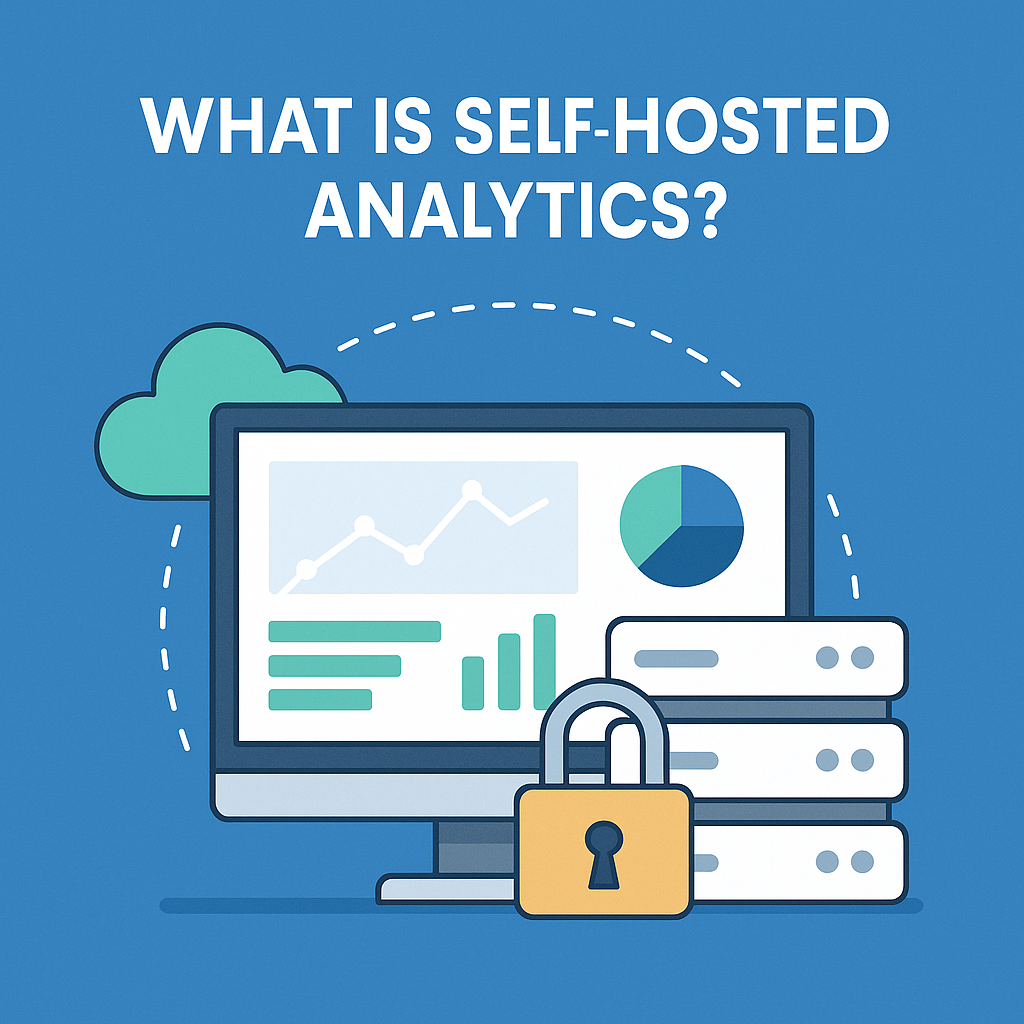
    Self-hosted analytics refers to software that you install and run on your own server or hosting environment. Unlike third-party analytics tools that collect and store user data on external servers (like Google Analytics), self-hosted tools keep all your visitor data on your own infrastructure.

    This means you have full ownership and control over the data collected, how it’s stored, and who has access to it.

    Benefits of Self-Hosted Analytics

    1. Full Data Ownership

    Your data stays on your server. You don’t share sensitive visitor information with third parties or large tech companies.

    2. Enhanced Privacy Compliance (GDPR, CCPA, etc.)

    Because you’re not sending data to external platforms, it’s easier to comply with privacy regulations like GDPR, CCPA, and PECR.

    3. No Data Sampling

    Many third-party tools use sampled data to reduce load, which can result in inaccurate reporting. Self-hosted analytics gives you raw, unfiltered data.

    4. Faster Load Times

    By removing external scripts, you reduce page weight, improving your website’s speed and SEO performance.

    5. Customization

    With self-hosted tools, you can often modify the codebase, add custom events, or integrate deeply with other systems.

    Best Self-Hosted Analytics Tools in 2025

    YooAnalytics

    • Best for WordPress & WooCommerce users
    • 100% privacy-focused, no third-party scripts
    • Real-time visitor tracking
    • Seamless WooCommerce integration
    • Quick setup, no coding required

    Matomo

    • Feature-rich with dashboards, goals, heatmaps, and more
    • GDPR-compliant
    • It can be hosted on your server or cloud.

    Plausible Analytics

    • Lightweight and fast
    • Clean UI and open-source
    • Great for bloggers and small businesses

    Is Self-Hosted Analytics Right for You?

    If you’re concerned about data privacy, transparency, or regulatory compliance—or if you simply want more control over your website’s insights—then self-hosted analytics is a smart move.

    For WordPress and WooCommerce users, YooAnalytics offers the perfect balance of simplicity, privacy, and functionality.

    Final Thoughts

    As we move further into 2025, user privacy is no longer optional—it’s expected. With self-hosted analytics, you gain better performance, full transparency, and a trusted relationship with your users.

    Take control of your data today. Choose a self-hosted analytics solution that aligns with your values—and your goals.

    👉 Try YooAnalytics Now

  • YooAnalytics Hits 20+ Active Installs – Thank You for Trusting Us!

    YooAnalytics Hits 20+ Active Installs – Thank You for Trusting Us!

    We’re beyond excited to share that YooAnalytics has officially crossed 20+ active installs! What started as a simple idea to provide privacy-focused website analytics is now being trusted by users around the world—and we couldn’t be more grateful.

    What This Means

    Reaching 20+ active users is a strong signal that website owners want a clean, lightweight, and secure alternative to traditional analytics platforms like Google Analytics. YooAnalytics gives users full control over their data without compromising on insights or performance.

    Why Users Love YooAnalytics

    • No third-party tracking – Total privacy and GDPR compliance
    • Real-time visitor tracking – See what’s happening on your site right now
    • WooCommerce-ready – Get powerful eCommerce insights effortlessly
    • Self-hosted and open – You own and control all your analytics data

    What’s Coming Next

    This milestone is just the beginning. We’re working on exciting updates, including:

    • Custom event tracking
    • Advanced geolocation reports
    • Visual dashboard enhancements
    • Deeper WooCommerce checkout analytics

    Thank You!

    To all our early adopters—thank you for believing in our vision. Your feedback and support are helping shape the future of private, independent website analytics. We’re building this with you and for you.

    👉 Download YooAnalytics Now

    Let’s grow together—and here’s to the next milestone: 100+ users!

  • How to Track WooCommerce Sales Without External Tools: A Complete Guide

    How to Track WooCommerce Sales Without External Tools: A Complete Guide

    In today’s data-driven world, tracking your WooCommerce sales is non-negotiable. But do you really need Google Analytics, Meta Pixel, or third-party SaaS dashboards just to know how your store is doing?Not at all.

    In this in-depth guide, you’ll learn exactly how to monitor, analyze, and optimize your WooCommerce sales without relying on external tools—using only your WordPress dashboard, built-in features, and privacy-first plugins.

    Why Track Sales Without External Tools?

    Many WooCommerce store owners are switching to in-house tracking for good reasons:

    • Privacy & Compliance: Avoid GDPR, CCPA, and cookie consent banners.
    • Data Ownership: Keep full control of your store’s sensitive customer data.
    • Site Speed: Third-party scripts can slow down your website—especially on mobile.
    • Simplicity: Manage everything inside your WordPress admin panel.

    Whether you’re privacy-conscious or just want a leaner setup, this guide is for you.

    What You Need: No APIs, No External Scripts

    To track WooCommerce sales without third-party tools, you’ll be using a mix of:

    • WooCommerce’s built-in Analytics and Reports
    • Self-hosted plugins like YooAnalytics
    • Custom order management tricks
    • Dashboards and visual reports inside WordPress

    Let’s break it all down.

    1. Use WooCommerce’s Built-in Analytics Tools

    Starting with WooCommerce 4.0, a powerful analytics dashboard is available under WooCommerce > Analytics.

    Key Features:

    • Revenue Breakdown: See gross and net sales, refunds, and taxes.
    • Orders Overview: Track successful, failed, or pending orders.
    • Product Performance: Know your best and worst-selling products.
    • Customer Insights: Analyze returning vs. new customers.
    • Conversion Funnels: View purchase trends across time.
    • Filter by Date Range, Product, or Category

    You can even export the data as a CSV for offline analysis.

    Use the “Compare to Previous Period” tool to spot seasonal dips and growth trends.

    2. Activate the “WooCommerce > Reports” Module (Legacy but Useful)

    Don’t overlook this classic tool under WooCommerce > Reports.

    What it includes:

    • Sales by Date
    • Sales by Product or Category
    • Top Coupons Used
    • Customer Purchase Totals
    • Tax and Shipping Reports

    While less flashy than WooCommerce Analytics, it’s lightweight and effective.

    3. Use a Self-Hosted Analytics Plugin (YooAnalytics)

    To gain deeper visitor insights (beyond just orders), you can install a privacy-focused analytics plugin like YooAnalytics.

    What YooAnalytics Tracks:

    • Page views and visitor count
    • Referrers and traffic sources
    • Real-time user activity (coming soon)
    • WooCommerce-specific sales events (purchases, product views)
    • All data stored locally in your database
    • 100% cookie-free and GDPR-friendly

    No signup, no API key, no tracking code from Google or Meta.

    YooAnalytics is perfect for users who want Google Analytics-style charts but are hosted directly inside WordPress.

    4. Track Orders with Custom Order Statuses & Notes

    Use WooCommerce’s Order Status Manager to create custom statuses, such as:

    • “First-time Buyer”
    • “Referral Order”
    • “Manual Payment Verified”

    Combine this with order notes to:

    • Record why a customer canceled
    • Mark repeat purchases
    • Add internal comments for staff or CRM

    Use the Orders page filters to track performance by status or note.

    5. Monitor Performance with WordPress Dashboards

    If you want a high-level snapshot of store health:

    • Use admin dashboard widgets.
    • Plugins like “WooCommerce Dashboard Widgets Stats” or “Advanced WooCommerce Reporting” provide visual, customizable blocks.
    • Set up alerts or charts for:
      • Daily/weekly revenue
      • Abandoned orders
      • Stock levels of popular products

    FAQ: Tracking WooCommerce Sales Privately

    Can I still see sales funnels without Google Analytics?

    Yes! Plugins like YooAnalytics and built-in WooCommerce reports show step-by-step purchase behavior, including checkout drop-offs.

    Are self-hosted analytics plugins accurate?

    Absolutely. In fact, they can be more accurate because they don’t rely on blocked cookies or ad blockers—especially YooAnalytics.

    Is this setup GDPR compliant?

    Yes. Since no external data sharing or cookies are involved, your store is compliant by default—though it’s always best to consult with a legal advisor.

    Conclusion: Own Your Data, Own Your Sales

    Tracking WooCommerce sales doesn’t have to mean giving your data to Big Tech. With the power of built-in tools and smart plugins like YooAnalytics, you can:

    • Analyze real-time sales data
    • Optimize product performance
    • Improve customer retention
    • Stay 100% private and compliant

    It’s time to simplify your stack, speed up your site, and take back control.

    Ready to Go Private?

    Install YooAnalytics or use the built-in WooCommerce Analytics module today and start tracking sales the smart, privacy-first way.

  • YooAnalytics Reaches 10+ Active Installs – A Huge Thank You to Our Early Adopters!

    YooAnalytics Reaches 10+ Active Installs – A Huge Thank You to Our Early Adopters!

    yooanalytics,  wordpress plugin privacy-friendly analytics woocommerce analytics plugin

    We’re thrilled to announce a major milestone—YooAnalytics has officially surpassed 10+ active installs! This is just the beginning of our journey, and we couldn’t have done it without our amazing early adopters who believe in privacy-focused, self-hosted analytics.

    Why This Milestone Matters

    Reaching 10+ active installs means that website owners are actively seeking an alternative to traditional tracking tools like Google Analytics. With YooAnalytics, users get:

    • 100% privacy-friendly analytics – No third-party tracking or data sharing.
    • Real-time visitor insights – See who’s on your site without delays.
    • WooCommerce-ready tracking – Optimize your store’s conversions effortlessly.
    • Unlimited tracking with full data ownership – Your data stays where it belongs—with you!

    What’s Next for YooAnalytics?

    We’re just getting started! Here’s a sneak peek at what’s coming: Advanced Geolocation Tracking – Understand where your visitors are coming from.

    Enhanced WooCommerce Analytics – Gain deeper insights into checkout behavior.

    Customizable Reports & Dashboards – Get the data that matters most to you.

    A Heartfelt Thank You

    To everyone who has installed, tested, and supported YooAnalytics—we appreciate you! Your feedback is shaping the future of privacy-first website tracking. If you haven’t tried it yet, now is the perfect time to join us.

    Download YooAnalytics Now and take control of your website analytics today!

    Here’s to the next milestone—100+ active installs!

  • Sticky vs Non-Sticky Μπόνους: Ποιο Προσφέρει Μεγαλύτερη Αξία στους Παίκτες;

    Γιατί Πρέπει να Κατανοείτε τη Διαφορά των Μπόνους

    Όταν ξεκινάτε τον κόσμο των online καζίνο, ένας από τους πιο σημαντικούς παράγοντες που επηρεάζουν την εμπειρία σας είναι ο τύπος των μπόνους που προσφέρονται. Τα sticky και non-sticky μπόνους αποτελούν δύο διαφορετικές προσεγγίσεις που μπορούν να επηρεάσουν σημαντικά τα κέρδη σας και τη στρατηγική παιχνιδιού σας. Πολλοί αρχάριοι παίκτες δεν αντιλαμβάνονται αυτές τις διαφορές και χάνουν πολύτιμες ευκαιρίες.

    Η επιλογή του κατάλληλου τύπου μπόνους μπορεί να κάνει τη διαφορά μεταξύ μιας κερδοφόρας και μιας ζημιογόνας συνεδρίας. Για παράδειγμα, στο rolling slots casino και σε άλλες παρόμοιες πλατφόρμες, η κατανόηση αυτών των όρων σας βοηθά να αξιοποιήσετε καλύτερα τις προσφορές. Αυτός ο οδηγός θα σας εξηγήσει με απλά λόγια τι σημαίνει κάθε τύπος μπόνους και πώς να επιλέξετε τον καταλληλότερο για εσάς.

    Τι Είναι τα Sticky Μπόνους και Πώς Λειτουργούν

    Τα sticky μπόνους, γνωστά και ως “κολλητά” μπόνους, είναι ένας τύπος προσφοράς όπου το ποσό του μπόνους παραμένει στον λογαριασμό σας μέχρι να ολοκληρώσετε τις απαιτήσεις στοιχηματισμού. Το χαρακτηριστικό τους είναι ότι δεν μπορείτε να κάνετε ανάληψη του αρχικού ποσού του μπόνους – μόνο τα κέρδη που προκύπτουν από αυτό.

    Για παράδειγμα, αν λάβετε ένα sticky μπόνους 100€ με απαίτηση στοιχηματισμού 30x, θα πρέπει να στοιχηματίσετε συνολικά 3.000€ πριν μπορέσετε να κάνετε ανάληψη. Όταν ολοκληρώσετε αυτή την απαίτηση και έχετε κερδίσει, ας πούμε, 200€, θα μπορέσετε να κάνετε ανάληψη μόνο των 200€ κερδών – το αρχικό μπόνους των 100€ θα αφαιρεθεί από τον λογαριασμό σας.

    Τα sticky μπόνους συχνά προσφέρουν μεγαλύτερα ποσά και χαμηλότερες απαιτήσεις στοιχηματισμού. Αυτό τα καθιστά ιδανικά για παίκτες που θέλουν να παίξουν για μεγαλύτερο χρονικό διάστημα με μεγαλύτερο κεφάλαιο, χωρίς να ενδιαφέρονται ιδιαίτερα για την ανάληψη του αρχικού μπόνους.

    Πρακτική Συμβουλή: Τα sticky μπόνους είναι καλύτερα για παίκτες που προτιμούν μακροχρόνιες συνεδρίες παιχνιδιού και δεν σκοπεύουν να κάνουν άμεσες αναλήψεις. Ελέγχετε πάντα τις απαιτήσεις στοιχηματισμού πριν αποδεχτείτε οποιοδήποτε μπόνους.

    Non-Sticky Μπόνους: Μεγαλύτερη Ευελιξία για τους Παίκτες

    Τα non-sticky μπόνους, γνωστά και ως “μη κολλητά” ή “cashable” μπόνους, προσφέρουν μεγαλύτερη ευελιξία στους παίκτες. Σε αυτόν τον τύπο μπόνους, μπορείτε να κάνετε ανάληψη τόσο του αρχικού ποσού του μπόνους όσο και των κερδών σας, αφού ολοκληρώσετε τις απαιτήσεις στοιχηματισμού.

    Ας δούμε ένα παράδειγμα: Λαμβάνετε ένα non-sticky μπόνους 100€ με απαίτηση στοιχηματισμού 35x. Αφού στοιχηματίσετε 3.500€ και κερδίσετε 150€, θα μπορέσετε να κάνετε ανάληψη συνολικά 250€ (100€ αρχικό μπόνους + 150€ κέρδη). Αυτή η ευελιξία κάνει τα non-sticky μπόνους ιδιαίτερα ελκυστικά για πολλούς παίκτες.

    Ωστόσο, τα non-sticky μπόνους συχνά έχουν υψηλότερες απαιτήσεις στοιχηματισμού ή μικρότερα ποσά σε σχέση με τα sticky μπόνους. Επίσης, μερικά καζίνο εφαρμόζουν πιο αυστηρούς όρους και προϋποθέσεις για αυτόν τον τύπο μπόνους, όπως χρονικά όρια ή περιορισμούς στα παιχνίδια που μπορείτε να παίξετε.

    Σύμφωνα με στατιστικά στοιχεία της βιομηχανίας, περίπου 65% των παικτών προτιμούν τα non-sticky μπόνους λόγω της μεγαλύτερης ευελιξίας που προσφέρουν, παρά τις υψηλότερες απαιτήσεις στοιχηματισμού.

    Πρακτική Συμβουλή: Πριν επιλέξετε ένα non-sticky μπόνους, υπολογίστε προσεκτικά αν μπορείτε να ολοκληρώσετε τις απαιτήσεις στοιχηματισμού εντός του χρονικού ορίου. Διαβάστε πάντα τους όρους και τις προϋποθέσεις για να αποφύγετε δυσάρεστες εκπλήξεις.

    Ποιος Τύπος Μπόνους Προσφέρει Μεγαλύτερη Αξία

    Η επιλογή μεταξύ sticky και non-sticky μπόνους εξαρτάται από τον στόχο σας και τον τρόπο που προτιμάτε να παίζετε. Τα sticky μπόνους είναι ιδανικά για παίκτες που θέλουν να μεγιστοποιήσουν τον χρόνο παιχνιδιού τους και δεν ενδιαφέρονται για άμεσες αναλήψεις. Προσφέρουν συνήθως καλύτερη αξία σε όρους κεφαλαίου παιχνιδιού.

    Από την άλλη πλευρά, τα non-sticky μπόνους είναι καταλληλότερα για παίκτες που θέλουν τη δυνατότητα να κάνουν ανάληψη όλων των κερδών τους, συμπεριλαμβανομένου του αρχικού μπόνους. Αυτός ο τύπος μπόνους προσφέρει μεγαλύτερη ευελιξία και δυνητικά υψηλότερα κέρδη.

    Για να αξιολογήσετε ποιο μπόνους προσφέρει μεγαλύτερη αξία, πρέπει να λάβετε υπόψη σας τους εξής παράγοντες: το ποσό του μπόνους, τις απαιτήσεις στοιχηματισμού, τα χρονικά όρια, τους περιορισμούς στα παιχνίδια και τη συχνότητα που σκοπεύετε να κάνετε αναλήψεις. Ένας καλός κανόνας είναι να υπολογίζετε την αναμενόμενη αξία κάθε μπόνους βάσει του στυλ παιχνιδιού σας.

    Πρακτική Συμβουλή: Δημιουργήστε έναν απλό υπολογισμό: διαιρέστε το ποσό του μπόνους με τις απαιτήσεις στοιχηματισμού για να δείτε ποιο προσφέρει καλύτερη αναλογία. Επίσης, λάβετε υπόψη τη δική σας εμπειρία και προτιμήσεις παιχνιδιού.

    Πώς να Κάνετε τη Σωστή Επιλογή για Εσάς

    Η κατανόηση των sticky και non-sticky μπόνους είναι κρίσιμη για κάθε παίκτη που θέλει να μεγιστοποιήσει την αξία που λαμβάνει από τα online καζίνο. Δεν υπάρχει μια “σωστή” επιλογή που ταιριάζει σε όλους – η καλύτερη επιλογή εξαρτάται από τις προσωπικές σας προτιμήσεις, τον προϋπολογισμό σας και τους στόχους σας.

    Αν είστε αρχάριος παίκτης, συνιστούμε να ξεκινήσετε με μικρότερα μπόνους και να δοκιμάσετε και τους δύο τύπους για να καταλάβετε ποιος σας ταιριάζει καλύτερα. Θυμηθείτε ότι τα μπόνους είναι εργαλεία για να βελτιώσουν την εμπειρία σας, όχι εγγυήσεις για κέρδη. Παίζετε πάντα υπεύθυνα και μέσα στα όρια του προϋπολογισμού σας.

  • Test Post for WordPress

    This is a sample post created to test the basic formatting features of the WordPress CMS.

    Subheading Level 2

    You can use bold text, italic text, and combine both styles.

    1. Step one
    2. Step two
    3. Step three

    This content is only for demonstration purposes. Feel free to edit or delete it.

  • YooAnalytics: The Ultimate Privacy-Focused Analytics Plugin for WordPress & WooCommerce

    YooAnalytics: The Ultimate Privacy-Focused Analytics Plugin for WordPress & WooCommerce

    YooAnalytics WordPress plugin,
Privacy-friendly analytics,
WooCommerce analytics plugin,
WordPress analytics tool,
GDPR-compliant analytics,
google analytics alternative

    We’re excited to introduce YooAnalytics—the game-changing, privacy-first analytics plugin built specifically for WordPress and WooCommerce users! Say goodbye to third-party tracking and data-sharing concerns and take full control of your website analytics with a solution that keeps your data where it belongs—in your hands.

    Why YooAnalytics is a Must-Have:

    In an era where online privacy is paramount, relying on traditional analytics tools means surrendering valuable user data to third-party services. With YooAnalytics, you get the insights you need without compromising privacy.

    Powerful Features That Set YooAnalytics Apart

    100% Privacy-Compliant:

    No third-party tracking, no data-sharing—just full control over your analytics.

    Real-Time Visitor Insights:

    Monitor user behavior, track traffic sources, and optimize engagement—all in real-time.

    Seamless WooCommerce Integration:

    Gain deep insights into customer journeys, purchases, and checkout performance.

    Unlimited Tracking:

    No restrictions—track as many visitors and interactions as your site needs.

    Quick & Simple Setup:

    No external accounts, no complicated configurations— install and start tracking instantly.

    What’s Next for YooAnalytics?

    We’re just getting started! Here’s a sneak peek at upcoming features:

    • Advanced Geolocation Analytics – Understand where your visitors are coming from in greater detail.
    • Enhanced WooCommerce Conversion Tracking – Get deeper insights into abandoned carts and customer behavior.
    • Custom Reports & Data Visualization – Gain powerful analytics tailored to your needs.

    Take Control of Your Data Today!

    Don’t let third-party services dictate how you analyze your website traffic. With YooAnalytics, you own your data, protect your privacy, and still gain the insights needed to grow.

    Download YooAnalytics Now and experience the future of website analytics—on your terms!